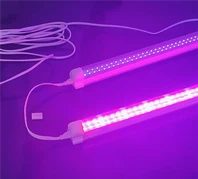
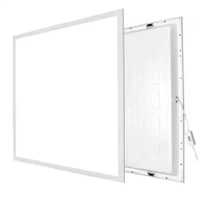
Nima uchun sinf yoritgichi sog'liq standartlariga javob berishi juda muhim
In the general consciousness, it is "well known" that light affects vision, but the perception of the degree of impact is different. In fact, in addition to some congenital heredity, poor classroom lighting environment is one of the direct main reasons for students' myopia. The classroom is too dark, and the problem of stroboscopic light will lead to changes in the refractive system of the students' eyes, excessive adjustment of the intraocular muscles, and the occurrence of myopia. Everyday, using the mobile phone to turn on the lens and point it at the fluorescent light, the stroboscopic mobile phone screen that is invisible to the naked eye can be "recognized" - the screen will appear striped. In addition, long-term study in poor classroom lighting environment will easily lead to low-light bending or even lying on the table, causing students who are in the critical stage of development, growth and shaping to "can't stand up straight" or damage to their cervical vertebrae.
The "color rendering index" (referred to as the CRI for short, the index that evaluates the ability of a light source to display the original color of an object is called the color rendering index) is a lighting index that has received less attention. A high CRI is conducive to improving students' ability to recognize colors. The color rendering index of fluorescent lamps and low-quality LED light sources is around 70, that is, about 30 percent of the original color of the object is lost, and the color rendering ability of saturated red (R9) is generally low, or even negative. Long-term study in such a classroom lighting environment will inevitably lead to the decline and decline of color discrimination ability, resulting in color weakness and poor color discrimination ability.
Talabalarning o'rganish samaradorligi rang haroratidan (yorug'lik manbai tomonidan chiqarilgan rangni baholash ko'rsatkichi) ajralmasdir: rang harorati 4000K dan past bo'lsa va yorug'lik yumshoq bo'lsa, o'quvchilar diqqatini jamlashlari qiyin. Rang harorati 6000K dan yuqori va yorug'lik oq va hayajonlanish va charchash oson. Tadqiqotlar shuni ko'rsatdiki, 5000K rang harorati o'rganish uchun ko'proq mos keladi, bu o'qituvchilar va talabalar uchun samaraliroqdir.
Ko'rinib turibdiki, sinf yoritilishining sanitariya me'yorlariga rioya qilish o'quvchilarning sog'lig'i bilan bog'liq sub-muammolarning oldini olishning samarali usullaridan biridir. U nafaqat milliy standartlarga javob berishi, balki turli indeks koeffitsientlari bo'yicha o'quvchilarning sog'lom o'sishi uchun g'amxo'rlik qilish maqsadiga erishishi kerak.